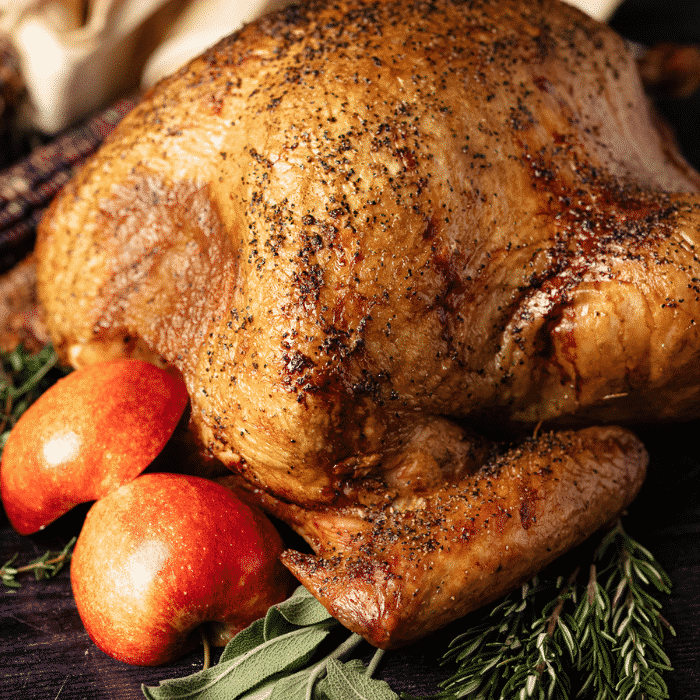
Easy Smoked Turkey: Your Juiciest Holiday Centerpiece Guide
Forget dry, bland holiday turkeys. This year, transform your festive table with an easy smoked turkey recipe that promises unparalleled juiciness, incredible flavor, and a show-stopping presentation. Smoking a turkey isn't just a cooking method; it's a way to infuse deep, aromatic notes into every bite, creating a centerpiece that will have your guests raving. Whether you're a seasoned pitmaster or trying your hand at smoking for the first time, this comprehensive guide will equip you with all the tips and tricks to achieve a tender, succulent, and utterly delicious smoked turkey.
The Secret to Unbeatable Juiciness and Flavor
The quest for the perfect smoked turkey often begins with a single goal: maximum juiciness. Happily, achieving this isn't as complicated as it sounds. Several key techniques work in harmony to lock in moisture and build layers of flavor that a conventional oven simply can't match.
Brining vs. Injection: A Moisture Masterclass
Many home cooks shy away from brining, fearing the mess and extra steps. However, a proper brine can be a game-changer for moisture retention. A wet brine, typically a solution of water, salt, sugar, and aromatics, helps the turkey absorb extra moisture through osmosis, making it incredibly resistant to drying out during the long smoking process. If you want to dive deeper into various techniques, you might find more inspiration in our collection of
Smoked Turkey Recipes: Bold Flavors for Every Occasion.
For those looking to skip the traditional, potentially messy wet brine, don't despair!
* **Dry Brining:** This method involves generously salting the turkey a day or two in advance. The salt draws out moisture, then reabsorbs it, carrying flavor deep into the meat while tightening muscle fibers for a more succulent result. It's less messy and highly effective.
* **Injections:** A fantastic shortcut, especially for those who want intense flavor and moisture without the time commitment of brining. Injecting a flavorful liquid (like broth, melted butter, cider, or even bourbon-infused mixtures) directly into the turkey's breast and thigh meat ensures that moisture and taste penetrate where it matters most. It’s a fast track to a tender, flavorful bird.
The Magic of Rubs, Butters, and Wood Smoke
Once the moisture is locked in, it's time to build flavor.
* **The Perfect Rub:** A high-quality smoked turkey rub is non-negotiable. Look for blends that balance savory herbs (sage, thyme, rosemary) with bright citrus notes, a touch of sweetness (brown sugar or honey), and warm spices (black pepper, paprika, garlic powder). These flavors enhance the turkey's natural profile without overpowering it, and they contribute to that beautiful, caramelized bark on the skin.
* **Under-Skin Butter:** This simple step is a secret weapon for crispy skin and incredibly moist breast meat. Gently separating the skin from the breast meat and spreading a generous layer of softened, herb-infused butter underneath creates a protective, flavorful barrier. As the turkey smokes, the butter melts, basting the meat from the inside out and crisping the skin to golden perfection.
* **Choosing Your Wood:** The type of wood you use will dramatically influence the final flavor.
* **Mild & Fruity:** Cherry, apple, and pecan woods impart a sweet, subtle smokiness that complements poultry beautifully without being overwhelming. Cherry wood, for instance, adds a lovely color to the skin.
* **Medium:** Hickory and oak offer a classic, more robust smoke flavor. Use them cautiously to avoid overpowering the delicate turkey.
* For a consistent and reliable smoke, many find success with pellet smokers. For specific guidance on using these devices, especially for a holiday bird, you'll find great tips in our guide to
Traeger Smoked Turkey: Achieve Tender Perfection at Home.
Preparing Your Turkey for the Smoker: Step-by-Step
Preparation is key to a stress-free smoking experience and a perfect result.
1.
Choose the Right Turkey: Always opt for an unbrined or "natural" turkey if possible. Pre-brined birds already contain added sodium and solutions, which can make it harder to control the final flavor and saltiness when you add your own brines or rubs.
2.
Thaw Completely: If frozen, ensure your turkey is fully thawed. This can take several days in the refrigerator (allow 24 hours per 4-5 pounds). A partially frozen turkey will cook unevenly.
3.
Brine (Optional, but Recommended): If using a wet brine, follow the package instructions (typically 12-24 hours). If dry brining, apply salt generously a day or two before smoking.
4.
Rinse and Pat Dry: After brining, rinse the turkey thoroughly inside and out to remove excess salt. Then, and this is crucial, pat the turkey completely dry with paper towels. A dry surface is essential for crisp skin and for the rub to adhere properly.
5.
Apply the Rub and Butter: Season the inside cavity with your chosen rub. Then, carefully separate the turkey skin from the meat over the breasts, creating a pocket. Spread your softened, herb-infused butter evenly under the skin. Finally, generously season the entire outside of the turkey with the remaining rub.
6.
Trussing (Optional): Trussing the turkey legs together helps the bird cook more evenly and creates a more compact, attractive presentation. Tuck the wing tips underneath the turkey to prevent them from burning.
7.
Chill: Transfer the prepared turkey to the refrigerator for at least an hour, or even overnight. This helps the rub penetrate and allows the skin to dry out further, promoting crispiness.
Smoking Your Turkey to Perfection: Temperature and Time
The low-and-slow approach is what makes smoked turkey so incredibly tender and moist.
1.
Preheat Your Smoker: Set your smoker to a consistent temperature of 225-250°F (107-121°C). Maintaining a steady temperature is paramount for even cooking and optimal smoke penetration.
2.
Add Wood: Once preheated, add your chosen wood chips, chunks, or pellets. For a whole turkey, you'll want consistent smoke for at least the first few hours.
3.
Place the Turkey: Position the turkey directly on the smoker grates, breast-side up. Insert a reliable probe thermometer into the thickest part of the breast, avoiding the bone. This will allow you to monitor the internal temperature without constantly opening the smoker, which causes temperature fluctuations.
4.
Smoke Low and Slow: Smoke the turkey until the internal temperature in the breast reaches 160°F (71°C) and the thighs reach 170-175°F (77-79°C). Cooking times will vary depending on the size of your turkey and your smoker, but generally, allow about 30-40 minutes per pound. Avoid rushing the process; patience is rewarded with tenderness.
5.
Achieving Crispy Skin (Optional Boost): If your skin isn't as crispy as you'd like near the end, you can briefly increase the smoker temperature to 350-375°F (175-190°C) for the last 30-45 minutes. Alternatively, you can transfer the turkey to a hot oven set at the same temperature.
6.
Rest, Rest, Rest: This is perhaps the most critical step for a juicy bird. Once the turkey reaches its target internal temperature, remove it from the smoker and tent it loosely with foil. Let it rest for at least 20-30 minutes (for smaller birds) or up to an hour (for larger birds). This allows the juices to redistribute throughout the meat, resulting in an incredibly moist turkey when carved. The internal temperature will also continue to rise a few degrees during this resting period (carryover cooking).
Beyond the Whole Bird: Creative Smoked Turkey Options
While a whole smoked turkey makes an impressive centerpiece, sometimes a different approach is warranted.
*
Smoked Turkey Breast: Perfect for smaller gatherings, or when you want the smoky flavor without the commitment of a whole bird. A citrus-herb rubbed smoked turkey breast, slow-smoked over hickory or cherry pellets, delivers tender, melt-in-your-mouth slices that are surprisingly easy to achieve. It's also ideal for incredible leftovers for sandwiches.
*
Smoked Spatchcock Turkey: For those seeking faster cooking times and incredibly even results, spatchcocking (removing the backbone and flattening the bird) is the answer. This technique exposes more surface area to the smoke and heat, leading to a consistently cooked bird with a wonderfully crispy skin, especially when paired with a sweet and spicy glaze like sriracha.
*
Smoked Turkey Legs: Bold, juicy, and utterly crave-worthy, smoked turkey legs are fantastic for individual portions or a fun BBQ twist. Marinating them in robust flavors like bourbon, citrus, and savory spices before a low-and-slow smoke results in meat that literally falls off the bone.
Conclusion
Smoking a turkey is a rewarding culinary adventure that elevates the classic holiday bird from good to unforgettable. By focusing on fundamental techniques like brining (or injecting), applying a flavorful rub and under-skin butter, and utilizing the magic of low-and-slow smoke, you can effortlessly create a juicy, tender, and incredibly flavorful centerpiece. This holiday season, embrace the smoker and prepare to impress your guests with the easiest, most delicious smoked turkey they've ever tasted. Happy smoking!